
CSA C451 Is Coming. Here’s Why It Matters.
What Is CSA C451?
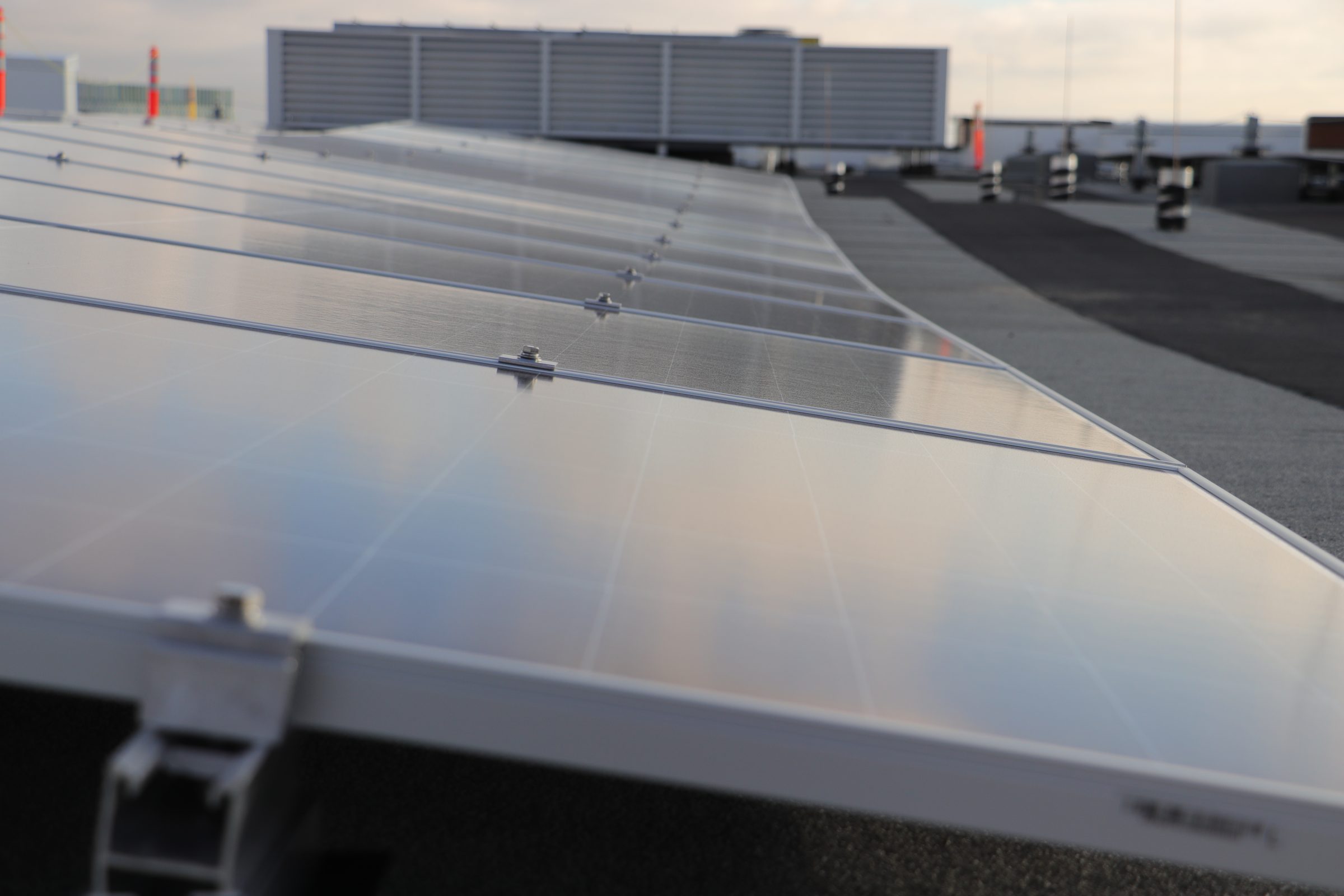
CSA C451 is a proposed Canadian standard focused on the wind performance of rooftop solar systems.
Rather than looking at the solar panels or roofing materials independently, the standard evaluates the performance of the entire assembly as a system.
The goal is simple: determine how a rooftop solar installation responds when subjected to dynamic wind loads that simulate real-world conditions. [scc-ccn.ca]
Why The Industry Needs It
The rapid growth of commercial rooftop solar has created a challenge.
Many buildings were never originally designed with solar in mind. As installers, engineers, building owners, and insurers evaluate projects, one question keeps coming up:
“Will this roof and solar system stay attached when exposed to severe wind events?”
Historically, the answer often required a combination of engineering judgment, manufacturer testing, and project-specific analysis.
CSA C451 aims to bring consistency to that conversation.
Instead of relying on assumptions, project teams will have a recognized testing framework that can be referenced during design, permitting, engineering review, and risk assessment.
What Projects Will It Apply To?
Based on the published scope, CSA C451 is intended for rooftop photovoltaic arrays installed on:
- Partially attached roofing systems
- Adhesive-applied roofing systems
- Low-slope roofs with solar arrays tilted 35 degrees or less
The proposed standard specifically focuses on assemblies where the interaction between the solar system and roofing system has a direct impact on wind performance.
What This Means For Building Owners
For property owners, the biggest benefit is confidence.
As solar adoption continues to grow across commercial, industrial, and multifamily buildings, owners want assurance that their investment has been evaluated using a recognized and consistent methodology.
A standardized approach helps reduce uncertainty and makes it easier for engineers, insurers, asset managers, and lenders to evaluate rooftop solar projects.
What This Means For The Solar Industry
The companies that will benefit most are the ones already doing things properly.
Contractors and manufacturers who have invested in tested attachment methods, engineered roofing assemblies, and proven installation practices will finally have a clearer framework for validating performance.
It should also help raise the bar across the industry by encouraging system designs that consider the roof and the solar array as one integrated assembly rather than two separate products.
The Roofing Side Matters More Than Ever
One of the biggest takeaways from the emergence of CSA C451 is something we’ve been saying for years:
Solar is only as good as the roof it’s attached to.
A rooftop solar project isn’t just an electrical project. It’s a roofing project, a structural project, and an energy project all at once.
As wind performance receives greater scrutiny, the quality of the underlying roof assembly will become an even more important part of the conversation.
Looking Ahead
CSA C451 won’t change the physics of rooftop solar. What it will do is create a common language for evaluating wind performance across the industry.
That’s good news for building owners. It’s good news for engineers. And it’s good news for contractors who prioritize long-term performance over shortcuts.
As the standard moves closer to adoption, expect wind uplift testing and rooftop attachment details to become increasingly important parts of the solar design process.
The industry is maturing. CSA C451 is another step in that direction.
Contact Us
"*" indicates required fields