
Canada Removes Tariffs on Chinese Solar Modules: What It Means for Alberta Building Owners
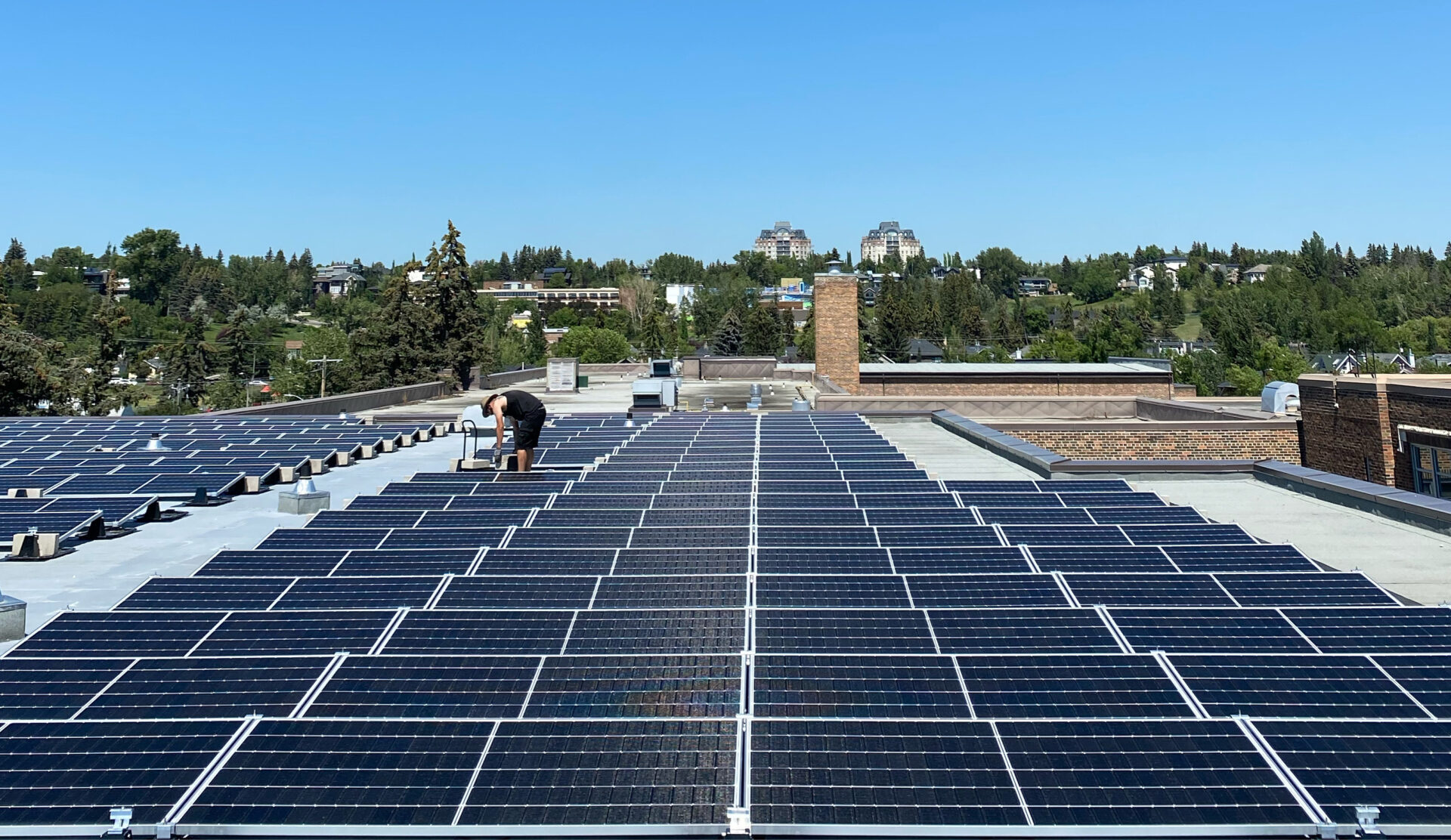
On September 17, 2026, the Canadian International Trade Tribunal (CITT) rescinded the anti-dumping and countervailing duties that had applied to certain Chinese photovoltaic modules and laminates for the past 11 years. As a result, the Canada Border Services Agency (CBSA) has stopped collecting those duties on affected products. [pv-magazine.com], [cbsa-asfc.gc.ca]
For building owners, developers, municipalities, and commercial property managers, this is one of the most significant changes to the Canadian solar market in years.
But what does it actually mean?
The End of an 11-Year Trade Barrier
Canada first imposed anti-dumping and countervailing duties on certain Chinese solar products in 2015. Those measures were intended to protect Canadian manufacturers from unfairly priced imports. The duties were renewed in 2021 and remained in place until this recent ruling. [cbsa-asfc.gc.ca], [pv-magazine.com]
With the CITT’s latest decision, Chinese solar modules covered by the original order can now enter Canada without those additional trade duties. The tribunal’s decision was connected to a lack of support for continuing the review among domestic producers. [pv-magazine.com], [discoveryalert.com]
The practical result is straightforward:
Solar modules sourced from China are now less expensive to import into Canada than they have been in over a decade. [discoveryalert.com], [couleenergy.com]
Will Solar Get Cheaper?
Probably, but not overnight.
Solar modules represent only one component of a commercial solar project. Engineering, electrical infrastructure, structural upgrades, roofing considerations, permitting, commissioning, and labour often account for a significant portion of the total project cost.
That said, panel pricing remains an important driver of project economics.
Lower module costs should eventually improve project returns, particularly for larger commercial and industrial systems where equipment costs represent a substantial portion of the overall budget. [discoveryalert.com], [nationalobserver.com]
For many Alberta building owners, this could mean:
- Lower project capital costs
- Improved payback periods
- Greater flexibility in system sizing
- Increased return on investment
- More projects that now meet internal financial thresholds
Why This Matters in Alberta
Alberta already has some of the strongest commercial solar economics in Canada.
High electricity prices, daytime energy consumption patterns, federal investment tax credits, and demand reduction opportunities have all contributed to attractive business cases for commercial solar projects.
A reduction in module costs simply strengthens those economics.
For organizations that have been considering solar but waiting for pricing to improve, this decision may create an opportunity to revisit previous proposals and financial models.
Projects that were marginal a year ago may now warrant a second look.
A Word of Caution
Cheaper panels do not automatically mean better projects.
The lowest-cost module is only one piece of a successful solar installation.
Building owners should continue to evaluate:
- Roof condition and remaining service life
- Structural capacity
- Electrical infrastructure
- Warranty implications
- Long-term service support
- Installer experience
In our experience, the largest cost overruns in commercial solar projects rarely come from module pricing. They come from issues that were overlooked before construction began.
What Rocky Mountain Solar Is Watching
The Canadian solar market will likely need several months to fully absorb the impact of this decision.
Distributors, manufacturers, and contractors are assessing how pricing changes will flow through the supply chain and what effect they will have on future procurement strategies. [nationalobserver.com], [couleenergy.com]
For Alberta building owners, however, the direction is clear:
Solar equipment pricing is becoming more competitive, project economics continue to improve, and the financial case for commercial solar is stronger today than it was just a few years ago.
The organizations that benefit most will be those that evaluate their buildings holistically, considering not only the solar system, but also the roof, the electrical infrastructure, and the long-term performance of the asset as a whole.
Contact Us
"*" indicates required fields