
What Is A Solar Panel And How Is Solar Energy Produced Step By Step?
Article Overview
Before investing in solar, it is important to understand how the technology actually works. This article explains what a solar panel is, how it is built, and how solar energy is produced step by step, from sunlight hitting the roof to electricity powering a home or commercial building. It also outlines how solar panel systems are designed and installed in Alberta, taking into account local building codes, electrical requirements, climate conditions, and grid connection standards.
What Exactly Is A Solar Panel And What Does It Do?
When people ask what is a solar panel, they are usually asking how a flat piece of equipment on a roof can reliably produce electricity for decades. A solar panel is an engineered assembly designed to convert sunlight into electrical energy using photovoltaic technology.
Most solar panels installed on Alberta homes and commercial buildings are made from crystalline silicon. Inside each panel is a grid of photovoltaic cells sandwiched between protective layers. These layers include tempered glass to withstand hail and snow loads, encapsulant material that protects the cells from moisture, a durable back sheet, and an aluminum frame that provides structural strength.
Each photovoltaic cell is built using treated silicon layers that create an internal electric field. When sunlight hits the cell, energy from the light activates electrons inside the silicon. This movement of electrons is the starting point of how solar energy is produced.
How Solar Energy Is Produced Step By Step On Your Roof
Understanding how solar energy is produced step by step removes much of the confusion around system performance and expectations. While system designs vary slightly, the core process remains consistent.
Sunlight strikes the photovoltaic cells within the solar panel. The energy from the light excites electrons inside the silicon material, causing them to move. This movement generates direct current electricity. Electrical wiring carries that direct current from the panels to an inverter. The inverter converts direct current into alternating current, which is the type of electricity used by homes, businesses, and the electrical grid. That power is then consumed on site or exported to the grid, depending on system design and real time demand.
This process explains how solar energy is produced in real world conditions. Production levels are influenced by panel orientation, system size, seasonal daylight hours, and weather patterns. In Alberta, cold temperatures can actually improve panel efficiency, while snow management and roof angle play an important role in annual output.
Why Solar Panels Produce Direct Current And Buildings Use Alternating Current
One of the most common questions after learning what a solar panel is involves the type of electricity it produces. Solar panels generate direct current power, but buildings operate on alternating current. This difference is why inverters are a critical part of how solar energy is produced step by step.
Direct current flows in a single direction, which is ideal for photovoltaic generation. Alternating current changes direction multiple times per second and is used by the electrical grid because it is more efficient for long distance transmission. The inverter bridges this gap by converting solar power into electricity that is compatible with building systems and utility requirements.
Modern inverters also manage voltage regulation, grid safety, and system monitoring. In Alberta, inverters must meet strict utility interconnection standards to ensure safe operation during outages and grid disturbances.
How Inverters Shape Performance And Reliability
Inverters do more than convert electricity. They influence how efficiently a system operates and how well it adapts to real world conditions. String inverters, microinverters, and systems with power optimizers each offer different advantages depending on roof layout, shading, and system scale.
For residential systems, inverter selection often balances cost, monitoring detail, and roof complexity. Commercial systems may prioritize scalability, redundancy, and advanced performance tracking. In all cases, proper inverter placement and electrical integration are essential for safety and long term reliability.
Poor inverter selection or installation can limit energy production even if high quality solar panels are used. This is why inverter planning is a core part of professional system design rather than an afterthought.
Why System Design Determines How Well Solar Energy Is Produced
Understanding what a solar panel is establishes the technical baseline, but system design ultimately determines how effectively solar energy is produced over time. Design decisions include panel placement, tilt angle, spacing, electrical routing, and load calculations.
In Southern Alberta, good system design accounts for seasonal sun angles, snow shedding, roof structure, and wind exposure. Commercial properties require additional considerations such as structural loading, electrical service capacity, and future expansion potential.
A properly designed system maximizes production, minimizes losses, and ensures compliance with building and electrical codes. It also supports easier maintenance and accurate performance monitoring throughout the system lifespan.
Why Roofing And Electrical Integration Cannot Be An Afterthought
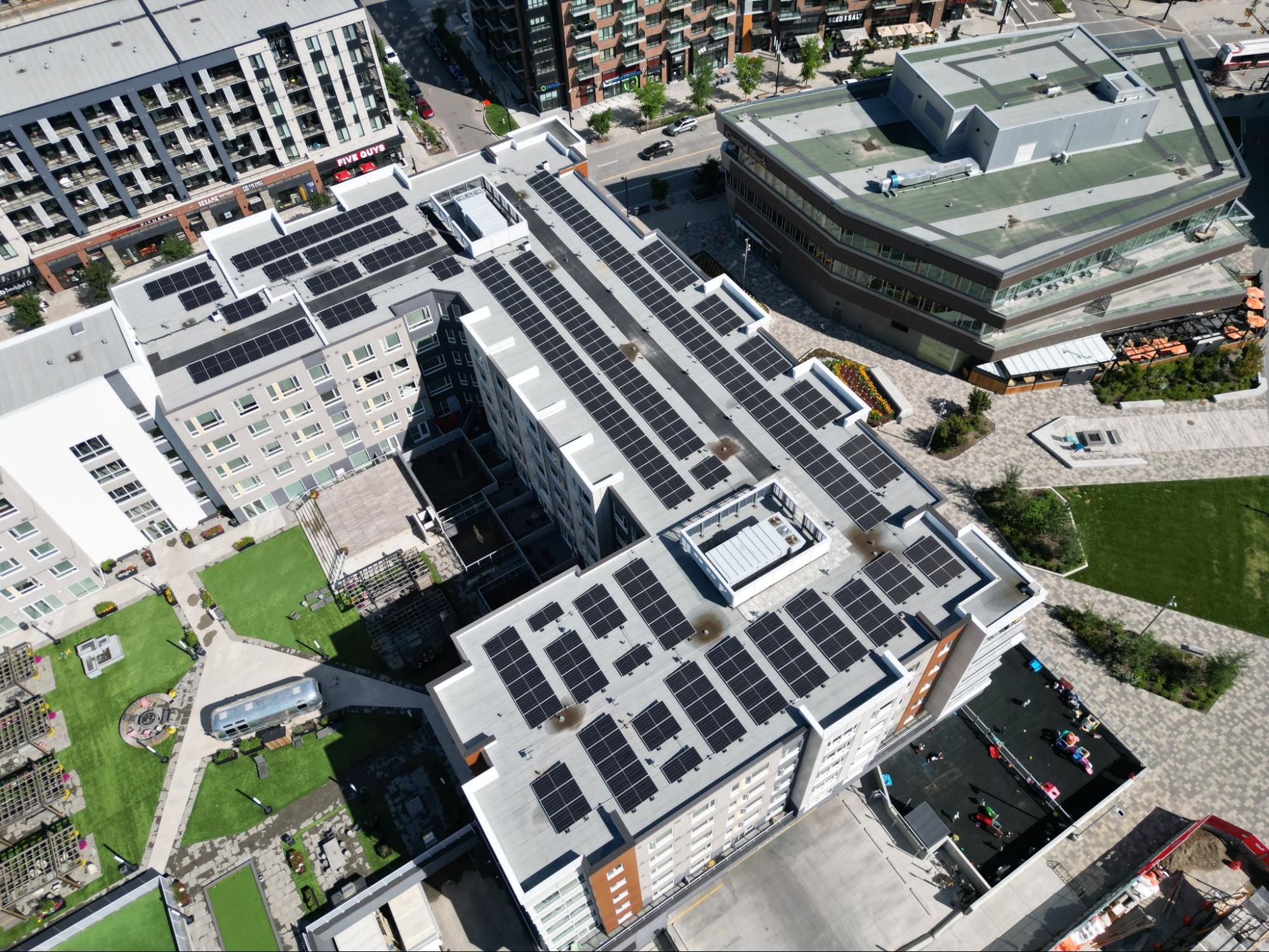
Solar panels can be installed on rooftops, ground-mounted systems, or purpose-built structural supports, depending on site conditions and project requirements. When panels are installed on buildings, proper roofing and electrical integration are essential to protect the structure, maintain weatherproofing, and support long-term system performance. Improper roof penetration or flashing can lead to leaks, insulation damage, and costly repairs. Electrical shortcuts can create safety hazards or inspection failures.
Integrated roofing and solar expertise ensures mounting hardware is anchored correctly, waterproofing remains intact, and roof warranties are protected. Electrical integration ensures grounding, disconnects, and load management meet Alberta code requirements and utility standards.
For homeowners and commercial property managers, this integration protects both the building and the solar investment while reducing long term risk.
What This Means For Commercial Solar Projects In Alberta
Understanding how solar energy is produced step by step allows buyers to evaluate solar proposals more confidently. Solar technology is proven and reliable, but results depend on thoughtful design, quality equipment, and professional installation.
When solar panels, inverters, roofing, and electrical systems are planned together, solar energy delivers predictable performance, long term cost stability, and meaningful emissions reduction. When these elements are treated separately, risks increase and system value declines.
Solar Tips & Tricks: For commercial buildings in Alberta, solar performance improves when systems are designed with proper roof orientation, conservative snow load assumptions, clear access for maintenance, and inverter placement that supports long-term monitoring and serviceability.
Rocky Mountain Solar Co. exists to simplify this process by delivering roof integrated, code compliant solar systems designed specifically for Alberta conditions.
Contact Rocky Mountain Solar Co. to request a professional assessment and receive a solar system designed for long term performance, roof safety, and dependable energy production.
Contact Us
"*" indicates required fields