
Why Are All My Solar Quotes Different?
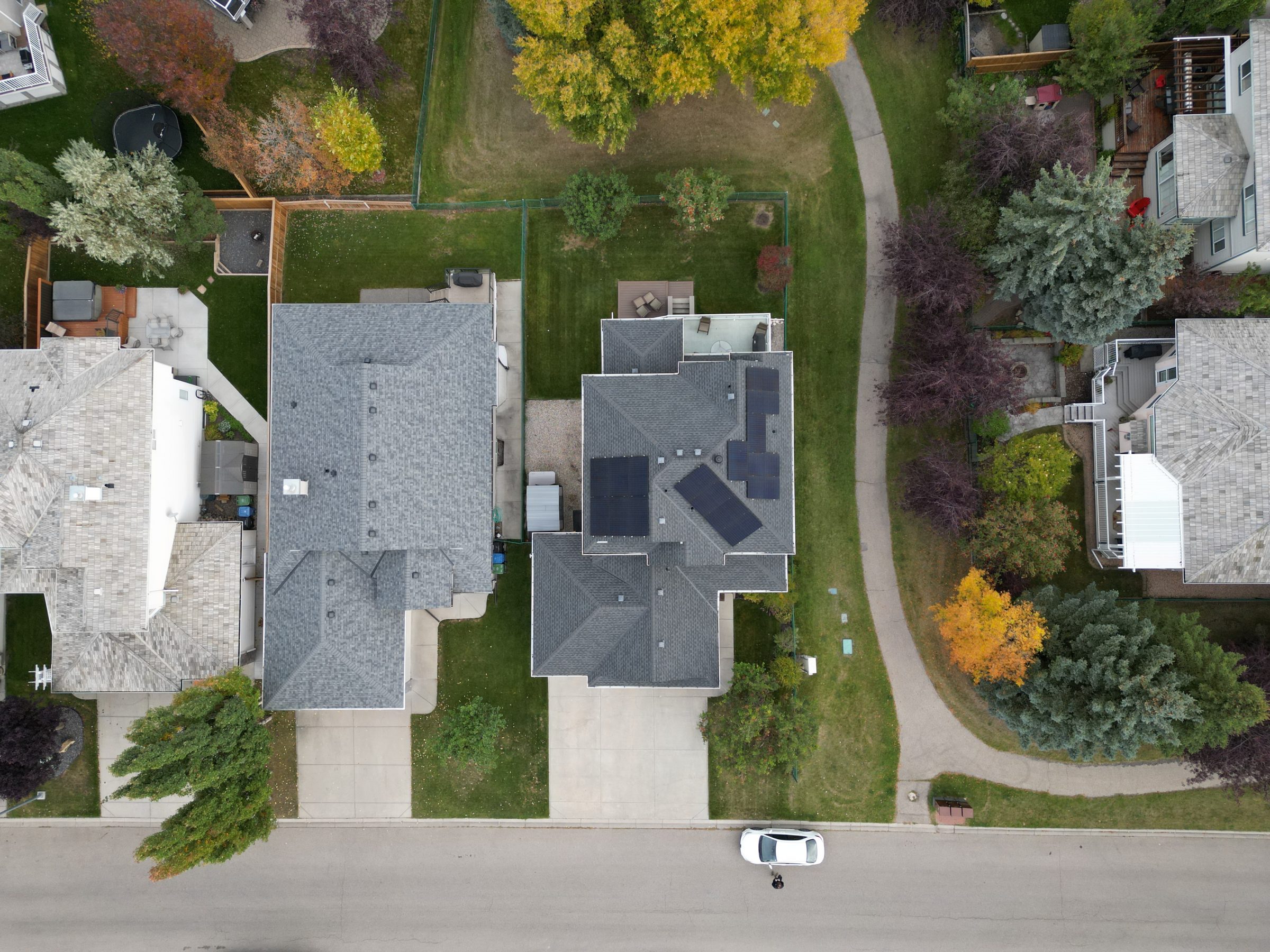
If you’ve started shopping for solar, you’ve probably noticed something confusing: you can give the same house, the same electricity bill, and the same goals to three different solar companies and end up with three completely different proposals.
Different numbers of panels. Different system sizes. Different production estimates. Different equipment. Different layouts. Different warranties. And sometimes, surprisingly different prices.
So which quote is right?
The short answer is: there isn’t always one right answer. Solar systems can be designed in several different ways, and the assumptions a contractor makes during the design process can have a significant impact on the proposal you receive.
The important thing is understanding why the proposals are different and making sure you’re comparing them on an apples-to-apples basis.
Production Estimates Can Vary
One of the biggest differences you’ll see between proposals is the estimated annual production.
A solar contractor needs to make assumptions about your home’s electricity consumption, roof orientation, panel placement, shading, snow, equipment and system losses. Small differences in those assumptions can lead to noticeably different production estimates.
At Rocky Mountain Solar Co., we start with the electricity consumption information provided by the homeowner. We use software to plot out your 12-month graph to get as accurate as possible.
A member of our team also manually models the home and surrounding obstructions to account for potential shading from trees, neighbouring buildings, roof structures and other objects.
This human review is important because an AI-generated roof layout isn’t always accurate.
More Panels Doesn’t Necessarily Mean a Better System
It’s easy to look at two proposals and assume the one with more panels is better. But the number of panels isn’t necessarily what matters.
You might see one proposal with 20 panels and another with 24. That difference could come from the panel wattage, available roof space, system size, production target or the contractor’s design approach (utilizing higher TSRF faces of the roof).
That’s why it’s better to compare total system capacity, estimated annual production and the equipment being used, rather than simply counting panels.
Equipment Isn’t Always Apples-to-Apples
Solar equipment can be particularly confusing when comparing quotes.
You might have one contractor recommending one type of inverter and another recommending something completely different. One may use a premium panel, while another uses a more budget-oriented option.
That doesn’t necessarily mean one contractor is trying to cut corners, or that the more expensive equipment is automatically better.
There are industry-standard products and premium products available throughout the solar industry, and there can be legitimate reasons to choose one over another.
The key is knowing what you’re actually getting. Look at:
- Panel manufacturer and model
- Panel wattage and efficiency
- Inverter manufacturer and model
- Microinverter vs. string inverter vs. optimizer-based systems
- Racking and mounting equipment
- Monitoring capabilities
- Equipment warranties
Layouts Can Be Different for a Reason
You may also notice that contractors place panels in different locations on your roof.
One company may put panels on three roof faces while another concentrates them on one or two. One may use more of your available roof space, while another may leave certain areas unused.
There are several factors that can influence this, including roof orientation, shading, setbacks, roof structures, electrical design and the contractor’s preferred equipment.
This is another area where it’s worth asking questions rather than assuming that the contractor with the most panels has the best design.
There Isn’t One “Perfect” Solar Proposal
Getting multiple quotes is a good idea. It gives you an opportunity to see how different contractors approach the same project and helps you understand what you’re actually paying for. Just keep in mind that different proposals don’t necessarily mean someone is wrong. The goal isn’t necessarily to find the proposal with the most panels, the highest production estimate or the lowest price.
It’s to understand the assumptions behind the proposal and make sure the system, equipment, production estimate and warranties make sense for your home and your energy consumption.
At Rocky Mountain Solar Co., we believe a good solar proposal should be more than a price and a panel count. It should give you a clear understanding of what is being installed, how it is expected to perform and why it was designed that way.
Because when you’re comparing solar quotes, understanding what you’re buying is just as important as what you’re paying for.
Contact Us
"*" indicates required fields